
gentle alchemy

gentle alchemy (JEN-tuhl AL-kuh-mee)
- The graceful transmutation of raw or unrefined states into elevated forms capable of fuller expression and purpose.
- The attuned process of metabolizing, reorganizing, or reshaping elemental material into something of greater quality, capacity, and function.
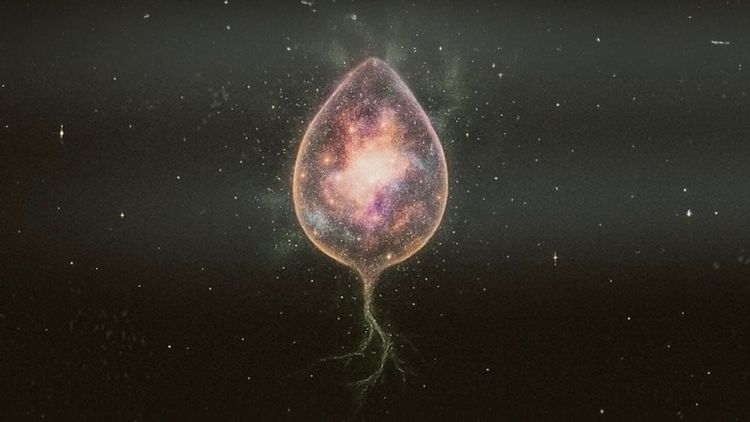
Gentle alchemy is a conscious mode of transformation that brings disparate elements into coherent, elevated unity. Within an entity composed of seemingly incompatible, opposing, or fragmented forces, gentle alchemy works toward a dynamic sense of wholeness. It does so not by eliminating tension or imposing conformity, but by creating an environment where contrasting characteristics can naturally interrelate and strengthen one another.
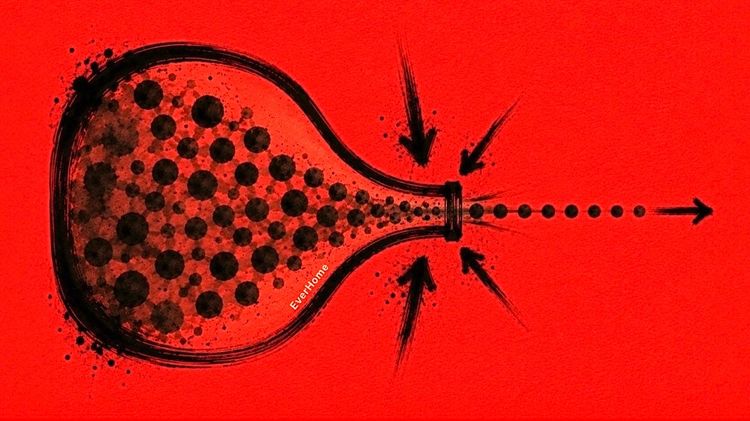
Unlike invasive or destructive forms of conversion that often depend on profound structural disruption before reconstruction, gentle alchemy prioritizes preserving an entity’s core essence while enhancing its quality, clarity, and purpose, ensuring that what is valuable remains intact throughout the transition. It is a concept rooted in the understanding that complex systems — whether the physical body, human emotion, or organizational structures — achieve more enduring and effective reorganization through carefully calibrated conditions rather than forceful upheaval. Through precise actions strategically applied at the moment and point of greatest influence, gentle alchemy activates an organic cascade of change, producing profound system-wide reconfiguration and giving rise to a higher state of expression.
Living as the Alchemical Vessel
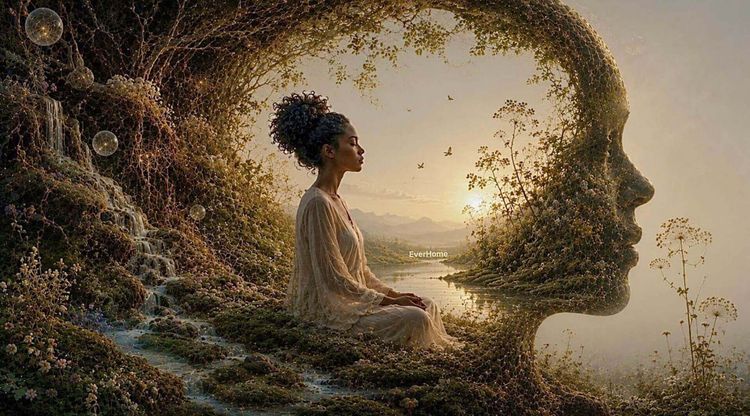
The gentle alchemist’s physical body is the living vessel where spirit and matter converge, temper one another, and establish a stable, enduring equilibrium.
The Dynamic of the Dual States
The Spiritual State: Intuitive, nonlinear, fluid, and unbounded by the five senses.
The Material State: Structured, biological, governed by physical laws, daily needs, and nervous system limits.
Her daily discipline lies in continuously mediating between these distinct dimensions of experience, allowing each to remain fully expressed without eclipsing the other. Her decision-making does not abandon earthly reality in pursuit of spiritual alignment. Instead, attentive stewardship of the physical body — with its need for nourishment, rest, routine, and material safety — creates the foundation through which spiritual energy can become securely grounded.
The gentle alchemist’s ability to transform systems beyond herself arises naturally from first mastering the integration of contrasting realities throughout her own being. At the center of this discipline is the continual cultivation of inner conditions in which spirit and matter can coexist, develop, and flourish together. Her vessel — and the knowledge gained through its daily stewardship — serves as the first system upon which the principles of gentle alchemy are refined before being applied to other entities.

Temperance
The visual language of the Temperance tarot card, as it has evolved across traditions and time periods, closely aligns with how I understand gentle alchemy. The card’s imagery often centers an angelic figure transferring liquid between two vessels, each representing distinct states, forces, or conditions. The liquid flowing between them represents exchange, blending, circulation, and adjustment, bringing what was separate into relationship.
Her stance echoes this interplay: one foot rests in water, the other on land. Water evokes emotion, intuition, and fluidity, while land represents embodiment, practical reality, and stability. The angel does not choose one over the other. Instead, her body bridges them, suggesting the capacity to remain grounded while engaging with what is fluid, uncertain, or deeply felt. As a mediator between dimensions of experience that are often treated as separate, she embodies a central principle of Temperance.
So when it appears in a tarot pull, some perspectives the card may bring into focus include:
What seemingly opposing forces have I been treating as though they cannot coexist?
What have I understood as opposites that may actually be parts of a larger whole?
What new state becomes possible when perceived differences are brought into a dynamic and productive relationship?
This capacity for integration is where Temperance meets gentle alchemy, with transformation emerging through the careful reorganization of disparate elements into a more cohesive whole. The intelligence of both lies in sustaining a middle space where seemingly incompatible forces have enough room to interact, adapt, and settle into dynamic equilibrium.