
Emotional Hoarding: A Survival Mechanism
Form of Survival
When the world taught me that my emotions were too much, unsafe, or unwelcome, my body responded by locking them down. This became a form of survival where I:
Became the vault no one could open.
Stored sadness, rage, needs, and longing behind emotional walls.
Developed a belief that containment equals control and control equals safety.
Emotional hoarding became a trauma response to a world that didn’t know how to hold my truth gently. It was also a natural response when I had no safe place or safe human to turn to. In unsteady environments, I learned to hide the parts that needed the most love.
So you stay composed. Strong. Even generous. And yet underneath that strength, you’re whispering:
“Please, just one safe place to put this down.”
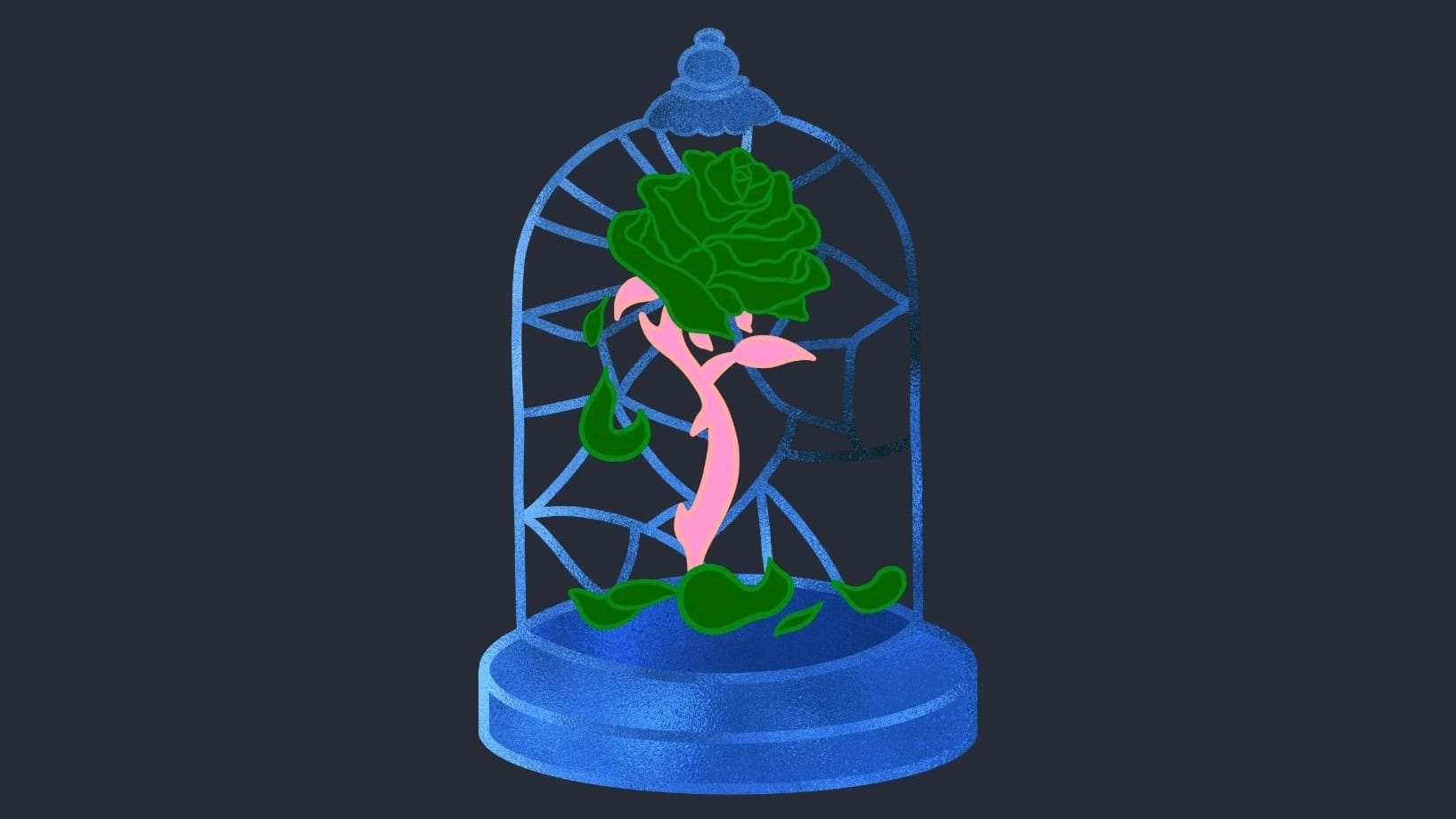
Elegance as Armor
My emotional hoarding doesn’t look messy from the outside—it looks poised, powerful, and “put together”—even when carrying unspoken sorrow, unmet needs, or deep longing. Elegance as armor is one of the most subtle and misunderstood forms of emotional hoarding.
It’s when you’ve wrapped your pain, your complexity, your chaos—even your vulnerability—in grace, polish, and beauty so that no one ever really sees the storm beneath.
Not because you’re fake. But because somewhere along the way, the world showed you that your precious chaos would not be cherished, your authentic rage might not be safe, and your deep sadness might be met with silence. So you become refined and undeniably composed. And because others often failed to show up when it really mattered, you stopped expecting them to.
You become your own provider: emotionally, spiritually, and even financially.
Grief Garden
I’ve built gardens around my pain because creating beauty has often been one of the most honest ways I know to survive. I am capable of turning suffering into something textured and thoughtful. Something with language, symbolism, meaning, and softness.
I know how to make meaning from what hurt me and how to shape grief into tenderness, loneliness into self-sufficiency, confusion into reflection, ache into art. But emotional hoarding asks a more difficult question:
Did I truly transform the pain? Or did I become exceptionally skilled at creating a beautiful environment around something I never actually released?
Because sometimes what looks like healing is actually preservation. Sometimes the flowers are real, the growth is real, the wisdom is real—and the pain is still quietly living there too.