
Tropical Hibiscus: Cooling Plant for Overstimulation + Internal Heat
Energetic Properties
Hibiscus rosa-sinensis is a heavy hitter in the world of herbalism, particularly when it comes to "cooling" a system that feels like it’s running too hot—physically or emotionally. In herbal energetics, hibiscus is considered astringent, meaning it "knits together" or "draws in."
There is also significant clinical evidence that hibiscus tea can lower systolic and diastolic blood pressure. By physically lowering the pressure in your pipes, it sends a signal to your nervous system that it is safe to downshift from Fight or Flight to Rest and Digest.
About The Plant
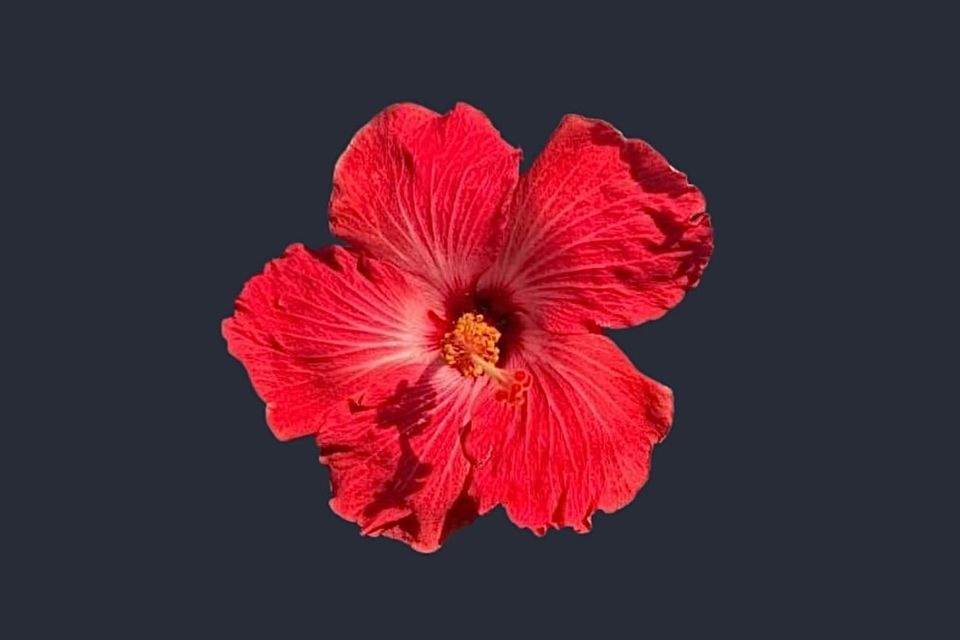
Hibiscus rosa-sinensis (Tropical / Chinese Hibiscus) is a radiant flowering shrub native to the warm regions of Asia, now rooted across tropical and subtropical environments worldwide. Each flower opens fully, revealing five delicate petals and a long central column.
These blooms are brief—opening at sunrise and softening by dusk. This constant renewal draws in pollinators like butterflies and hummingbirds, who move easily through its open, nectar-rich center.
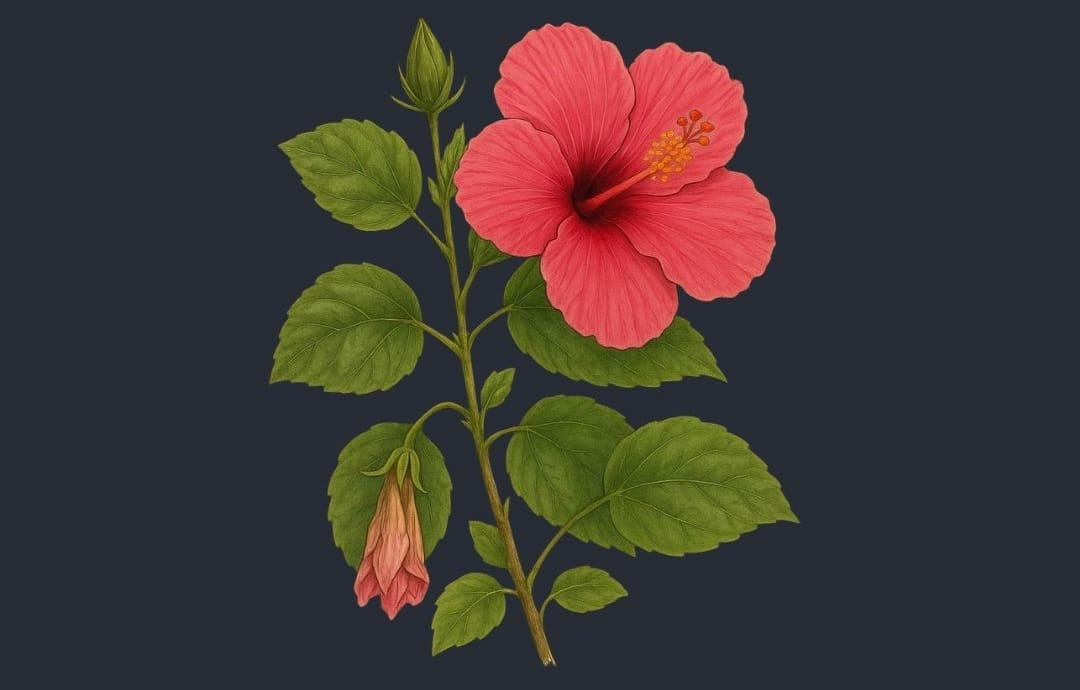
The plant responds best to environments that feel steady—where warmth, light, and moisture remain consistent. When moisture is held at a stable baseline, growth becomes more continuous, and the plant maintains its natural rhythm of flowering.
As these conditions are understood and applied intentionally, the plant stops reacting and begins to settle into its full expression. To grow this type of hibiscus well is to reduce extremes.
Stress and Hibiscus
When you’re stressed, your blood pressure rises and your heart pounds. Hibiscus tells your blood vessels to relax and widen. When your body physically relaxes its grip, your brain gets the message that you are no longer in "danger," which helps your mind follow suit.
Hibiscus works by cooling and consolidating from within, helping reduce excess stimulation, softening sharp inputs, and signaling to the body that it no longer needs to stay alert.
In Ayurvedic tradition, it is used specifically to "quiet the heart."
It is believed to help with emotional overstimulation — specifically "hot" emotions like anger, frustration, or perfectionism that flare up when the nervous system is taxed. It is also packed with antioxidants that act like a cleanup crew, sweeping up the chemical gunk that stress leaves behind in your cells, so you don't feel as physically exhausted the next day.
Powerhouse Botanical Duo
Combining hibiscus and lavender creates a "yin and yang" effect on your nervous system.
Why Lavender?
This calming ritual helps take the edge off a long day without making you feel groggy.
Spiritual Properties
Across cultures, the hibiscus is a sacred symbol of feminine vitality, beauty, and the "Goddess" energy. In India, the red hibiscus is a traditional offering to Kali and Ganesha, representing the glow of consciousness and the power of life force. In Hawaii, the flower's placement behind the ear serves as a silent language of the heart, signaling one's availability or commitment.
Spiritually, hibiscus is a flower of presence. Because its bloom lasts only a single day, it serves as a vivid reminder of the ephemeral nature of beauty. It teaches us to bloom fully and without reservation in the present moment, trusting that the cycle of life will bring a fresh beginning tomorrow.