
Tropical Hibiscus (Hibiscus rosa-sinensis)
The Plant
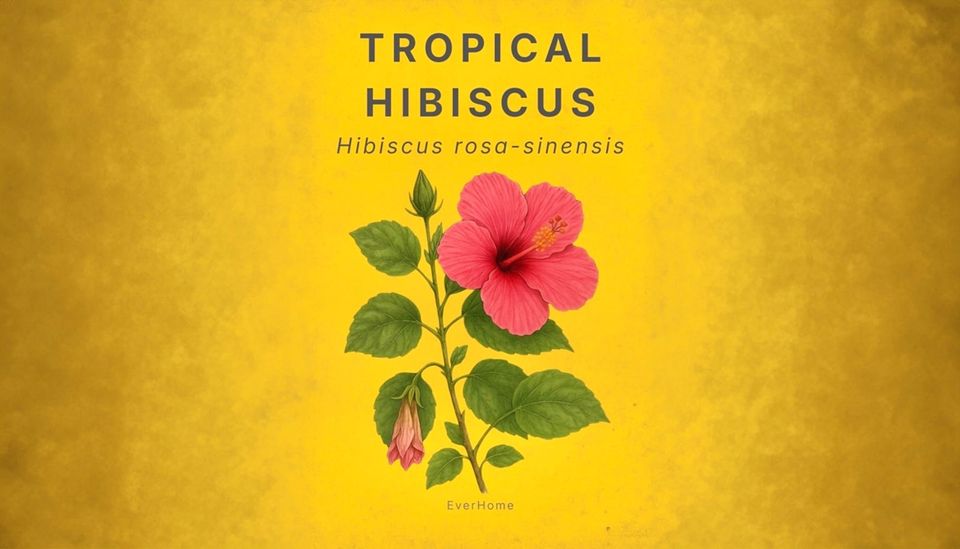
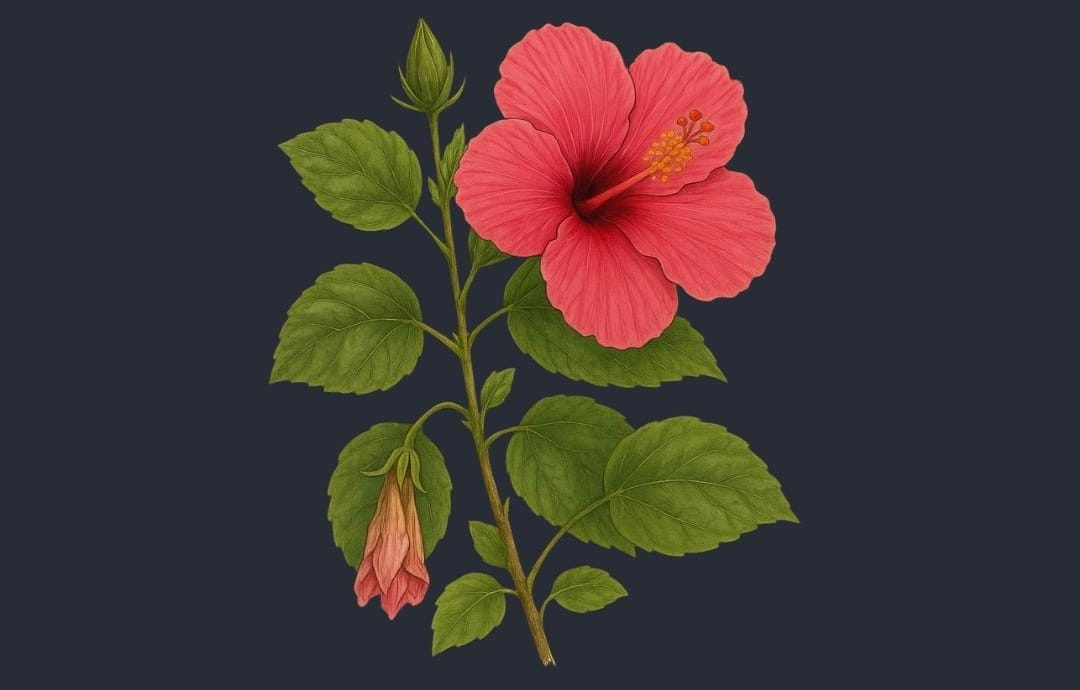
Tropical hibiscus is a radiant flowering shrub native to the warm regions of Asia, now rooted across tropical and subtropical environments worldwide. As a woody evergreen, it is defined by its glossy, deep-green leaves and expansive, trumpet-shaped blooms. Each flower opens fully, revealing five delicate petals and a long central column.
These blooms are brief—opening at sunrise and softening by dusk. This constant renewal draws in pollinators like butterflies and hummingbirds, who move easily through its open, nectar-rich center.
Energetic Properties
Hibiscus is a heavy hitter in the world of herbalism, particularly when it comes to "cooling" a system that feels like it’s running too hot—physically or emotionally. In herbal energetics, hibiscus is considered astringent, meaning it "knits together" or "draws in."
For someone with an unregulated nervous system who feels "leaky" or over-exposed to others' emotions and environments, hibiscus can feel like it's helping them pull their energy back into their own skin.
This plant carries a fluid energy. It supports movement—of circulation, of sensation, of emotional tone—without constriction. This movement prevents buildup and supports clarity, both internally and at the surface.

In Ayurvedic tradition, Hibiscus rosa-sinensis is used specifically to "quiet the heart." It is believed to help with emotional overstimulation—specifically "hot" emotions like anger, frustration, or perfectionism that flare up when the nervous system is taxed.
Known For
Hibiscus is used internally in preparations that support circulation and overall heart function. Most often, it is taken as an infusion, where its color deepens and its profile becomes more pronounced.
In this form, hibiscus can read differently depending on what surrounds it—sometimes it is bright and fruit-forward, as in Happy Tea, and sometimes it is softer and more rounded, as in Flow Blend.
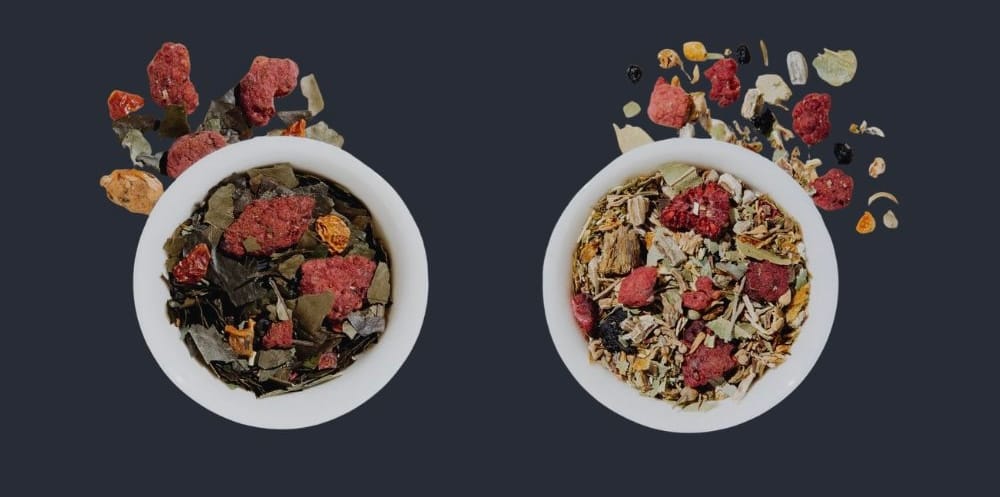
One of the most direct ways to experience the plant in this form is on its own, prepared simply to preserve its natural qualities—such as hibiscus prepared as a fresco, where its cooling, clarifying properties remain intact.
Working With the Plant on the Body
Hibiscus moves easily between internal and external use, but it behaves differently on the skin. Its natural acids and cooling properties create a kind of gradual renewal—loosening what has built up without disrupting what the skin is trying to maintain. The effect is not immediate or aggressive. It accumulates.
What matters more than the plant itself is how it’s prepared. The same hibiscus can feel ineffective or transformative depending on how it’s extracted, combined, and applied. This is where most of the benefit is either gained or lost.
If you are a plant enthusiast or a maker, deepen your understanding of botanical skin care, so that you can deepen your relationship with your skin—the body’s largest organ. This can positively impact your physical and emotional wellbeing.
Working With the Plant In Your Garden
To grow hibiscus well is to reduce extremes. The plant responds best to environments that feel steady—where warmth, light, and moisture remain consistent. This is most noticeable at the roots.
When moisture is held at a stable baseline, growth becomes more continuous, and the plant maintains its natural rhythm of flowering. When these conditions are understood and applied intentionally, the plant stops reacting and begins to settle into its full expression.
For those building this kind of relationship with their plants, learning how to maintain an herb garden that actually works for your space reshapes more than a single plant—it changes how everything around you grows. Learning herbal gardening will teach you how tending the plant becomes a way of tending yourself.
At a certain point, you stop guessing what a plant needs. You can see it.
Spiritual Properties
Across cultures, the hibiscus is a sacred symbol of feminine vitality, beauty, and the "Goddess" energy. In India, the red hibiscus is a traditional offering to Kali and Ganesha, representing the glow of consciousness and the power of life force. In Hawaii, the flower's placement behind the ear serves as a silent language of the heart, signaling one's availability or commitment.
Spiritually, hibiscus is a flower of Presence. Because its bloom lasts only a single day, it serves as a vivid reminder of the ephemeral nature of beauty. It teaches us to bloom fully and without reservation in the present moment, trusting that the cycle of life will bring a fresh beginning tomorrow.
✨Traditional wisdom for modern life—learn which herbs actually regulate your nervous system: