
The Link Between Human Burnout and Environmental Decline
System Under Pressure
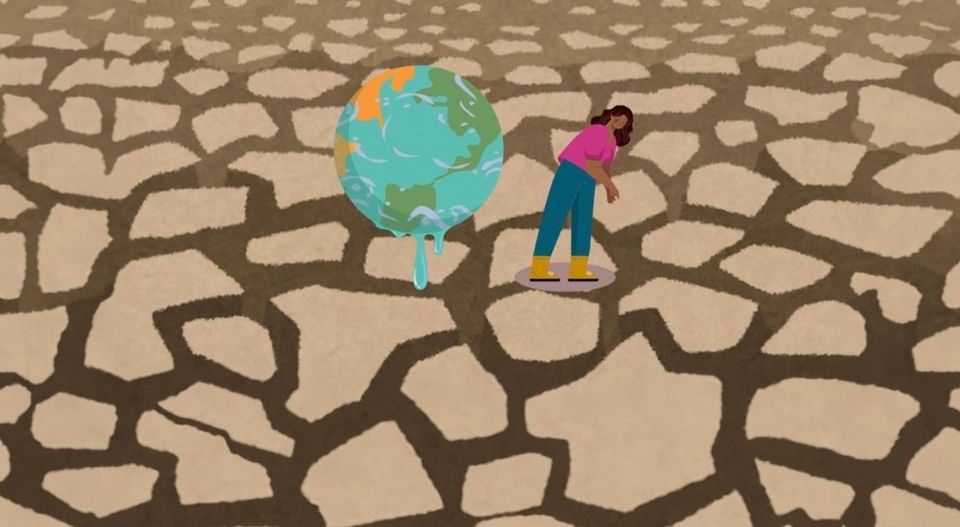
When people talk about burnout, they usually describe it as a personal failure, perhaps due to time management issues, weak boundaries, or not being resilient enough. But burnout isn’t really a character flaw. It’s a system under too much pressure for too long.
What Burnout Actually Feels Like
You start waking up already tired. Simple decisions feel heavier than they should. Your patience gets shorter. Your creativity dries up. Eventually, something deeper happens: you stop feeling as much.
It’s not because you don’t care, but because your system is trying to protect you. When the body is pushed into survival mode for too long, it begins to conserve energy. The mind narrows. The nervous system focuses only on what feels urgent. Things that require spaciousness (empathy, imagination, long-term thinking) become harder to access. In other words, the body simplifies itself, just to keep going.
Forests Do This Too
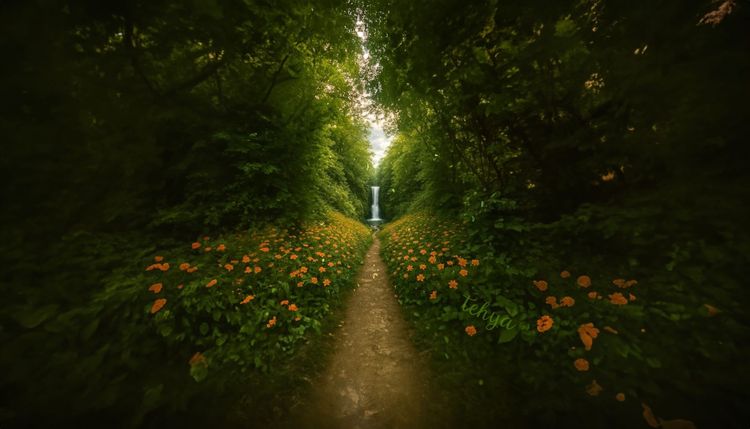
Something similar happens in nature when an ecosystem is pushed past its limits. A healthy forest is incredibly complex. Different plants grow in layers. The soil is alive with fungi and microbes. Birds, insects, animals, and trees all depend on one another.
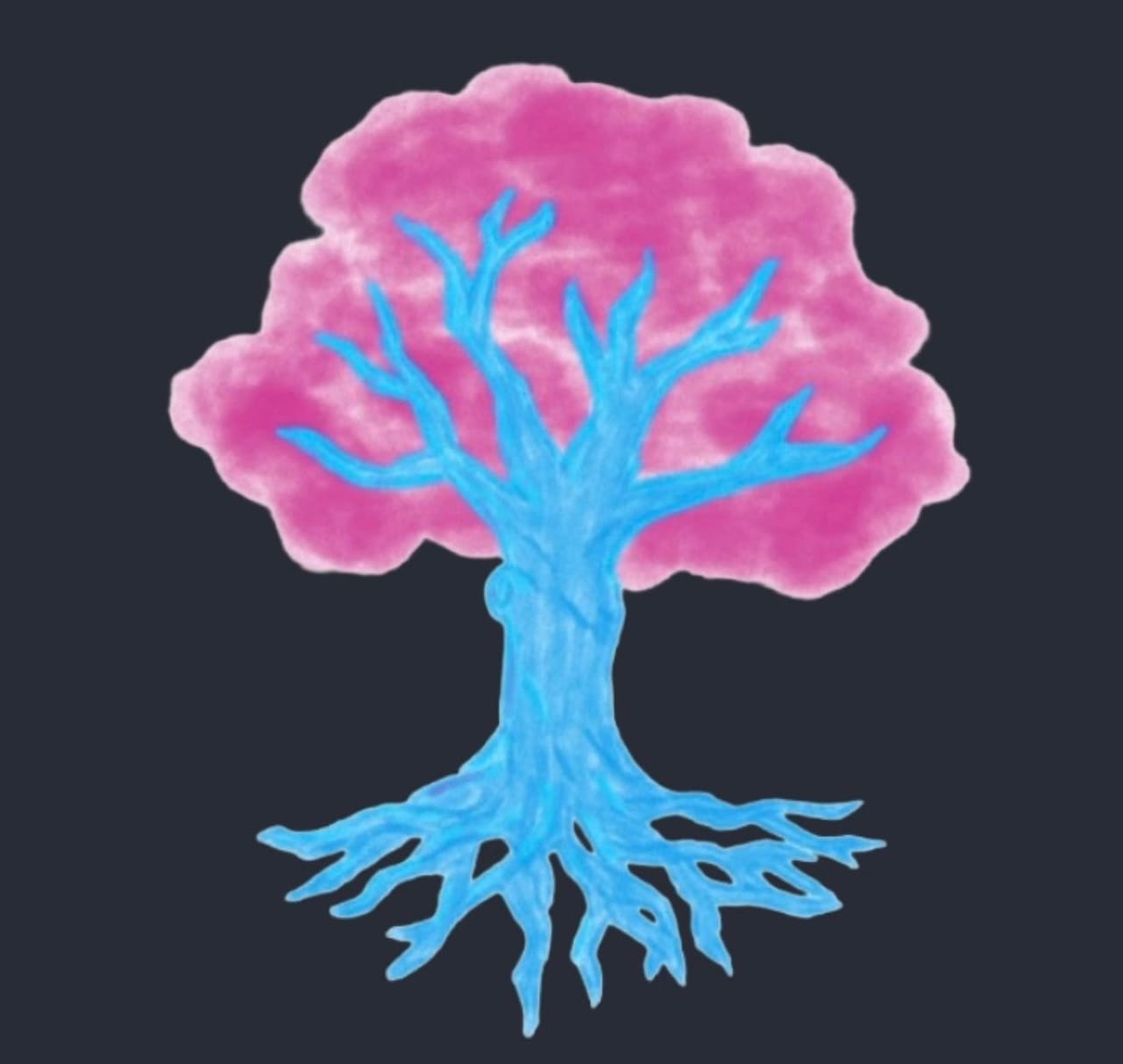
But when the land is stressed from over-harvesting, pollution, drought, or heat that complexity begins to disappear. Plants die off. Soil loses its richness. Fewer species survive. The ecosystem becomes simpler, weaker, and less able to recover from storms, fires, or disease, because it has been pushed beyond its capacity to regenerate.
When Care Capacity Disappears
One of the most painful parts of burnout is the loss of what we might call care capacity. You may still care in theory, but your energy to act on that care feels gone. You want to cook nourishing meals, but takeout feels easier. You want to recycle or shop sustainably, but convenience wins. You want to show up for people, but even small conversations feel draining. This doesn’t mean your values have disappeared.
It just means your system is tired.
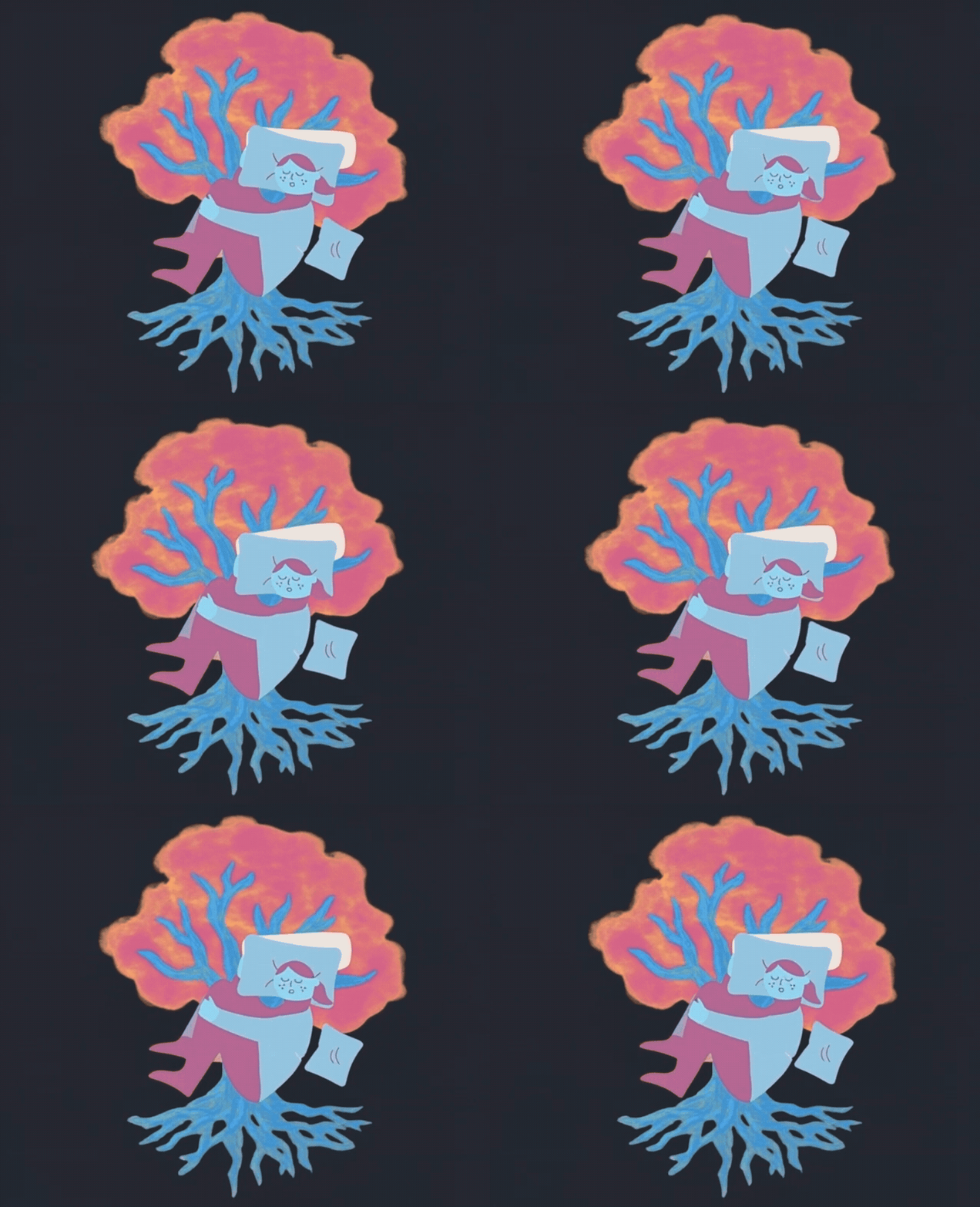
And the same pattern exists in damaged ecosystems. When biodiversity and soil health decline, the land loses its ability to support life. The buffering systems that once protected it (shade, water retention, microbial activity) fade away. Just like a burned-out person, the system loses its capacity to care for itself.
The Culture of Endless Output
Part of the reason this parallel exists is because the same mindset often drives both problems. We live inside a culture that quietly worships infinite output. More growth. More productivity. More extraction. Forests become lumber. Soil becomes yield. People become labor.
In that framework, rest looks inefficient. Recovery looks unnecessary. Cycles of slowing down are treated like obstacles. But both people and ecosystems are built around regeneration.
Remembering the Regenerative Rhythm
Healthy systems move in cycles:
Growth.
Rest.
Replenishment.
Growth Again.
When those rhythms are protected, complexity flourishes. Forests become resilient. Soil becomes fertile. Nervous systems become spacious enough to feel curiosity, care, and creativity again. But when rest disappears, collapse eventually follows.
Returning to the Cycle
If you’ve been feeling burned out, numb, or stretched thin, it might help to remember that your exhaustion may simply be a signal that your system has been asked to operate outside its natural rhythm. Nature does not heal by forcing itself to grow faster. It heals by re-entering the cycle: rest, recovery, and gradual return.
For a deeper experience, 🌈Earthbound: A Color-Pop Ritual explores earth-aligned living through color, reflection, and sensory awareness.